

Some design materials are closely associated with a particular era.
They become fashionable, dominate interiors for a few years, and eventually begin to feel dated.
Hardwood has managed to avoid that cycle.
Its appeal comes partly from the fact that natural wood does not have to belong to one particular design period. The same material can appear traditional in one home, contemporary in another, and comfortably transitional somewhere else.
That flexibility begins with the wood itself.
Every floor contains natural variation. Grain patterns, knots, colour differences, and board characteristics create a surface that feels individual rather than manufactured to look perfectly identical.
That individuality can become part of the character of the home.
For homeowners in Chantilly, choosing hardwood can therefore be about more than selecting a flooring colour. It can be about choosing a foundation that will remain visually relevant as the rest of the home evolves.
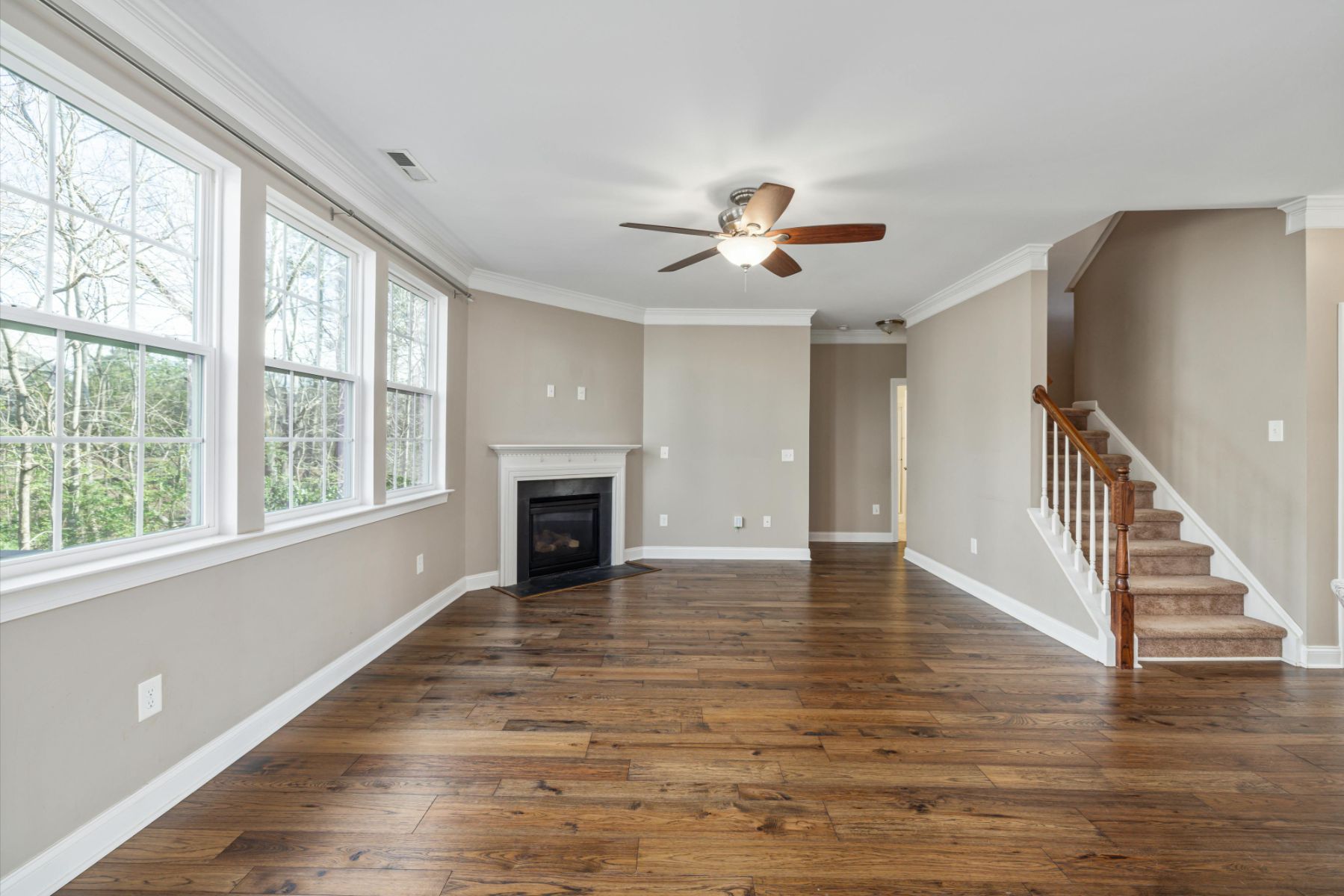
Consider a living room.
The hardwood may initially be paired with traditional furniture, warm fabrics, and classic lighting. Years later, the furniture may be replaced with contemporary pieces. The walls may be repainted.
Artwork may change.
The floor can remain.
Instead of forcing homeowners to design around a temporary trend, hardwood can adapt to the changes happening above it.
This adaptability is one of its most compelling characteristics.
But selecting the right hardwood still requires careful thought.
Start with colour.
Warm tones can create a welcoming atmosphere, while lighter wood can contribute to a brighter, more contemporary appearance. Darker flooring can create contrast and visual weight.
Then look at grain.
Some homeowners prefer subtle variation that allows the floor to remain quiet. Others appreciate pronounced grain and natural character that make the floor itself part of the room's visual identity.
Plank proportions can change the impression as well.
The scale of the boards affects how the floor reads across the room. Wider planks can create a different sense of openness than narrower boards, while installation direction can influence visual flow.
These details may seem small when looking at a sample, but they become much more significant once the floor covers a large area.
That is why the surrounding architecture matters.
Look at doorways and transitions. Consider the dimensions of the rooms. Think about where natural light enters. Examine the cabinetry and wall colours.
A beautiful hardwood floor should feel connected to the architecture rather than simply placed on top of it.
The relationship between hardwood and furniture is equally important.
Furniture does not have to match the wood exactly. In fact, too much matching can make a room feel overly coordinated. Contrast can create depth.
A warm wood floor can work beautifully with painted furniture. A lighter floor can provide a foundation for darker pieces. A richly varied floor can be balanced with simpler furnishings.
Area rugs can add another layer.
A rug can soften a seating area, introduce colour, and create a visual zone without hiding the entire hardwood floor. The contrast between soft textiles and natural wood can make a room feel more layered and complete.
Hardwood can also create continuity through connected spaces.
In open-concept homes, running related flooring through living, dining, and kitchen areas can create a sense of visual flow. Rather than dividing the home into isolated rooms, the floor can help connect them.
That does not mean every room needs hardwood.
Bedrooms, offices, and other spaces can use carpet or another flooring material if that better suits their purpose. The goal is not uniformity for its own sake.
It is coherence.
A home feels cohesive when its materials relate to one another.
Colour, texture, undertone, and proportion can all create those relationships.
Lighting is another variable that should never be overlooked.
Natural light can change the way wood appears throughout the day. Morning sunlight may emphasize certain tones, while evening light can make the same floor feel warmer.
Artificial lighting introduces another layer.
This is why homeowners should consider flooring in the actual environment where it will live.
A showroom sample provides useful information, but the room itself tells the complete story.
There is also something inherently appealing about a material that develops a relationship with the home.
Wood can become part of the visual history of a space. Furniture moves. Paint changes. Children grow. Rooms are redesigned.
The floor remains as a quiet constant beneath those changes.
That does not mean hardwood is the right choice for every room or every household. Flooring should always be evaluated according to lifestyle, room function, maintenance expectations, and design goals.
But for homeowners looking for a floor with natural character and long-term visual flexibility, hardwood remains a compelling option.
For homeowners in Chantilly, VA, K&K Hardwood Floor, Inc. can help explore hardwood and other flooring options based on the specific needs of the home.
The most enduring design choices are often not the ones that attract the most attention on day one.
They are the ones that continue to look right years later.
Hardwood has a way of doing exactly that.
It does not need to follow the room's style.
It gives the room the freedom to change.


