

A home is built from many visible details. The walls establish the architecture. Windows bring in natural light. Furniture gives each room its purpose. Paint creates colour and mood. Lighting changes the atmosphere as the day moves from morning to evening.
But beneath all of it is something that is often overlooked: the floor.
Flooring occupies an enormous amount of visual space, yet homeowners sometimes treat it as the final item on a remodeling checklist. By the time the flooring decision arrives, the cabinets, walls, furniture, and fixtures may already have been selected. That can make it difficult to create a truly cohesive interior.
A different approach is to think about flooring as the foundation of the design.
For homeowners in Chantilly, VA, that foundation can take many forms. Hardwood can introduce natural character and a sense of permanence. Carpet can create softness and warmth. Other flooring options can provide different combinations of durability, style, texture, and everyday practicality.
The important question is not simply which flooring looks best.
It is which flooring makes sense for the room.
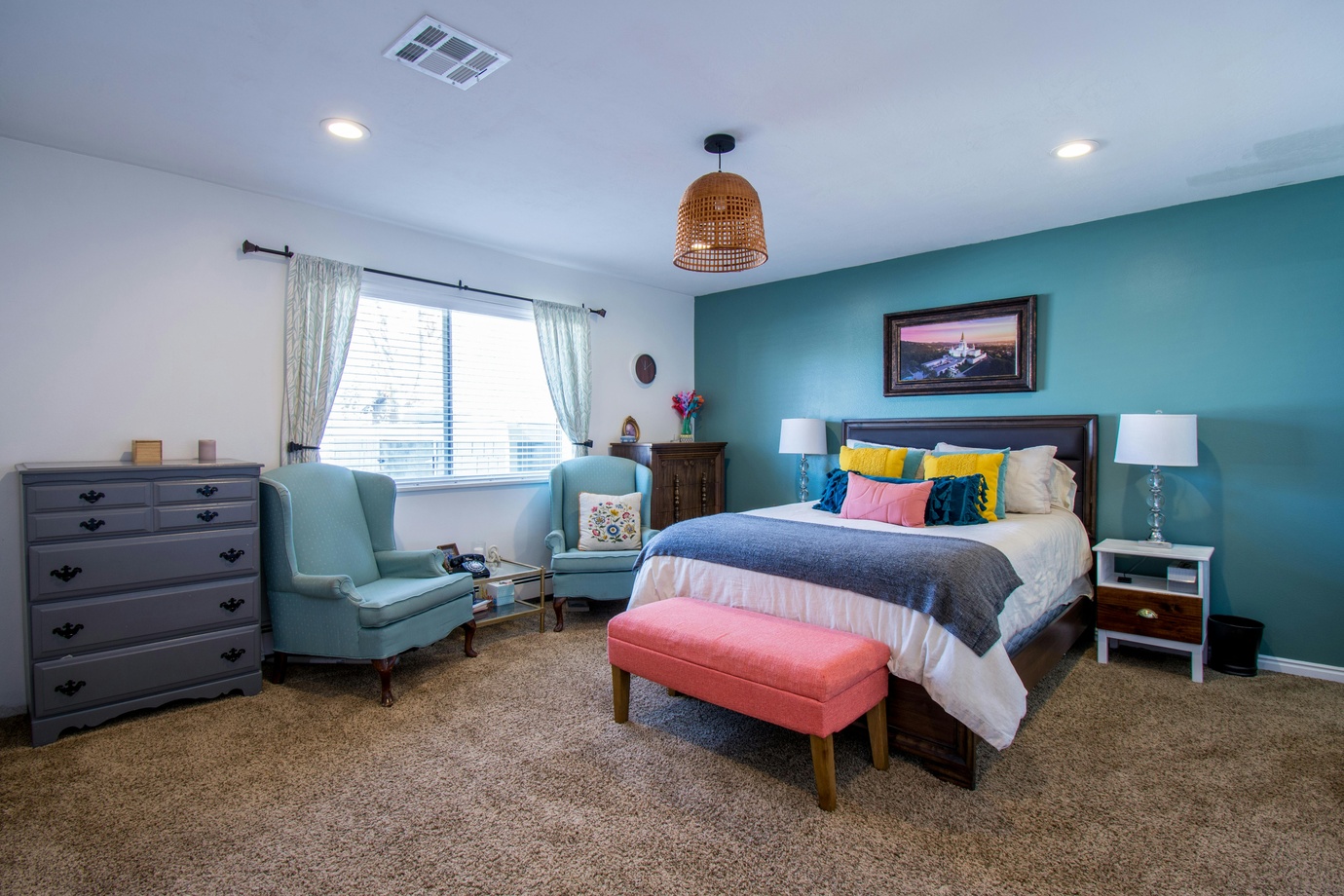
A bedroom, for example, has a different personality from an entryway. It is a space associated with rest, quiet, and comfort. Carpet can contribute to that atmosphere through softness underfoot and its ability to create a more comfortable acoustic environment.
A living room may call for something different.
Hardwood can provide a strong visual foundation that allows furniture, artwork, and area rugs to become layers within the design. Natural wood has an ability to remain relevant even when the décor around it changes.
Then there are spaces that need to work harder.
Hallways experience constant movement. Dining rooms need to balance appearance with everyday use. Home offices need to feel comfortable without becoming visually distracting. Each space presents a different set of priorities.
This is why flooring should be selected according to how a room is lived in rather than simply how it looks in a photograph.
Colour is one of the first considerations.
Lighter flooring can contribute to a brighter, more open impression. Deeper tones can create warmth and visual weight. Natural variation can bring character, while a more uniform appearance can support a minimalist design.
But colour is only part of the story.
Texture can change the atmosphere of a room. A highly expressive grain can become a focal point. A subtle surface can create a quieter foundation. Carpet can introduce softness through its texture, while hardwood provides a different tactile experience underfoot.
Lighting changes everything again.
Natural daylight can reveal undertones that are not obvious under showroom lighting. Morning light may make a floor appear different from evening illumination. Artificial lighting can alter the perceived warmth of both wood and carpet.
This is why flooring samples should be considered within the context of the home rather than in isolation.
Imagine the floor covering the entire room. Imagine furniture sitting on it. Think about how it will look from the doorway, from the adjacent room, and under different lighting conditions.
The visual continuity between rooms also deserves attention.
A home does not need identical flooring everywhere. In fact, using different flooring materials can help give each room its own character. What matters is that the choices relate to one another through colour, undertone, texture, or overall design direction.
For example, hardwood in a living area can transition into carpet in bedrooms without making the home feel disconnected. The materials perform different roles while still belonging to the same interior.
Area rugs can add another layer.
On hardwood, an area rug can define a seating arrangement, introduce softness, and add colour without covering the entire floor. In other spaces, rugs can create visual connections between furniture pieces and help establish zones within an open layout.
This layered approach gives homeowners more flexibility.
It also makes it easier for the home to evolve.
A flooring choice should ideally remain compatible with changes in furniture, wall colours, artwork, and décor. A floor does not need to dictate the room's identity forever. Instead, it can provide a foundation that allows the rest of the design to change.
That is one of the reasons hardwood remains such a compelling option.
Natural wood can feel traditional in one setting and contemporary in another. Change the surrounding elements and the floor takes on a different personality.
Carpet can be equally adaptable.
A neutral carpet can quietly support a sophisticated interior. A textured carpet can add dimension. A patterned option can introduce personality without requiring bold changes to the walls or furniture.
The best flooring decisions therefore begin with a conversation about lifestyle.
How many people live in the home? Which rooms receive the most traffic? Are there children or pets? Do you entertain frequently? Is comfort a priority? How much maintenance are you comfortable with? Are you planning to change the rest of the interior?
These questions can help narrow the options far more effectively than simply choosing the most attractive sample.
For homeowners in Chantilly, K&K Hardwood Floor, Inc. can help explore flooring and carpet options with the overall character and practical needs of the home in mind.
A floor is not just what you walk on.
It is the surface that connects every room, supports every piece of furniture, and quietly influences how the entire home feels. When flooring is chosen thoughtfully, the transformation can begin before anything else is added.
Sometimes, the best design decision is the one that has been beneath you all along.


